Филтри
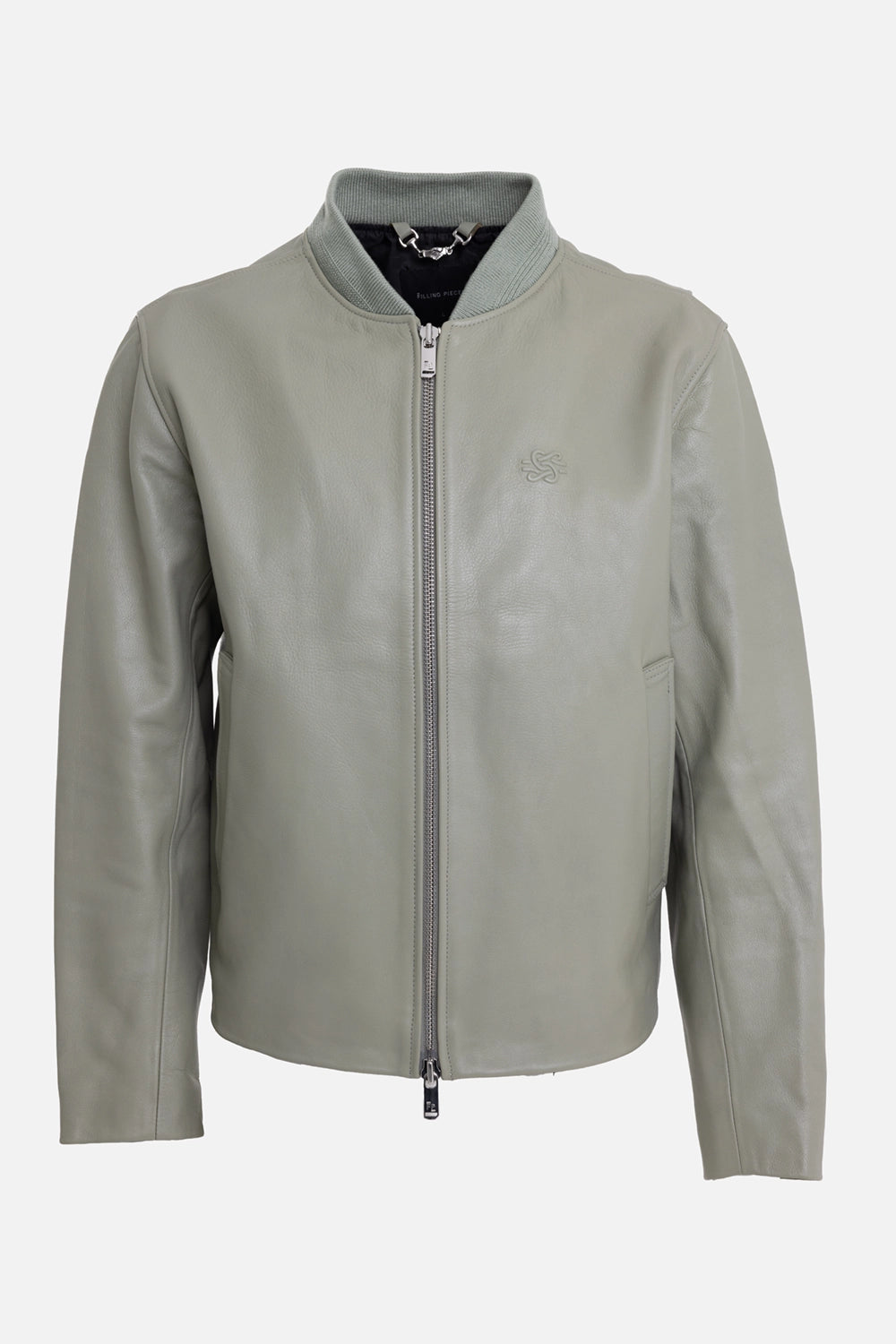
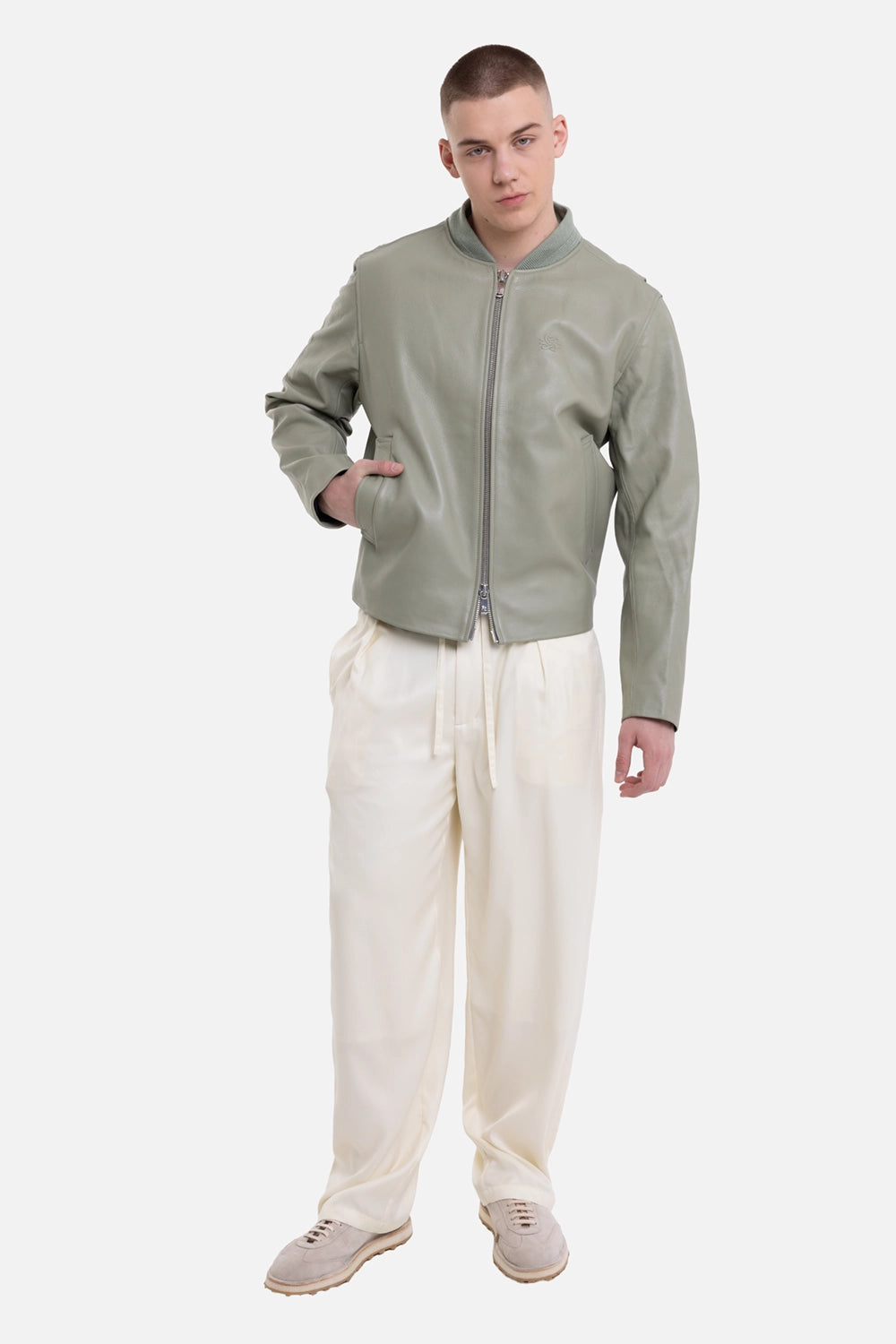
Filling Pieces has always lived in the in-between: the place where everyday footwear meets considered design, and where streetwear ease is treated with the same care as luxury craftsmanship. Founded in Amsterdam, the label is best known for its sneakers, but the world extends far beyond one silhouette—into loafers, derbies, boots, ready-to-wear, and a growing set of accessories that support a modern wardrobe rather than compete with it. There’s a calm confidence to the brand’s output: pieces are rarely loud, yet they’re rarely anonymous. The design language favors clean geometry, thoughtful proportions, and materials that feel substantial in the hand, whether that’s smooth nappa leather, textured suede, or tightly woven canvas.
Silhouette & construction
A Filling Pieces shoe is often recognizable not by obvious branding, but by how it sits on the foot. Sneakers are built around balanced volume: not wafer-thin, not aggressively chunky, with soles that add presence without turning the shoe into a costume. Court-inspired shapes sit alongside more sculpted, contemporary lines, and the brand isn’t afraid to move from minimal uppers to paneling when performance references (running, skate, or hiking) make sense for the season. Boots and loafers follow the same logic—classic foundations, updated through proportion, texture, and details that feel architectural rather than decorative.
Construction choices are part of the identity. Expect padded interiors where comfort matters, structured heel counters that help the shoe hold its line, and soles that are designed to be seen—sometimes smooth, sometimes rippled, sometimes deliberately bold. Across categories, the goal is consistency: pieces that look considered with denim and a tee, but also hold their own with tailored trousers, a wool coat, or a sharp set of layers.
Materials & finish
Materials are central to the Filling Pieces appeal, because the brand tends to let surface and texture do the talking. Leather sneakers often appear in nappa, with a soft, refined hand-feel that reads clean even in monochrome colorways. Suede and nubuck bring depth, especially when paired with minimalist uppers that highlight the nap and tonal shifts. Canvas also plays a role in warmer-weather styles, offering structure without weight and keeping the overall look relaxed. In newer directions, the label has explored combinations like mesh, leather, and suede—mixing sport references with an elevated finish.
The small details reinforce the bigger picture. Waxed laces, embroidered logos, and carefully finished edges keep even simple designs from feeling flat. On loafers, polished leathers and mixed leather-and-rubber soles add durability while maintaining a sleek profile. The overall effect is less about trend and more about longevity: shoes and garments designed to be worn repeatedly, and to look better once they’ve been lived in.
Signatures & icons
The story begins with the Low Top. Introduced as the first Filling Pieces shoe, it set the tone for everything that followed: a premium sneaker that intentionally “bridged the gap” between streetwear and high fashion, without relying on excess branding. The Low Top also introduced brand-specific details that remain closely associated with Filling Pieces, including an elongated tongue and a padded heel area that subtly shifts the silhouette and improves comfort.
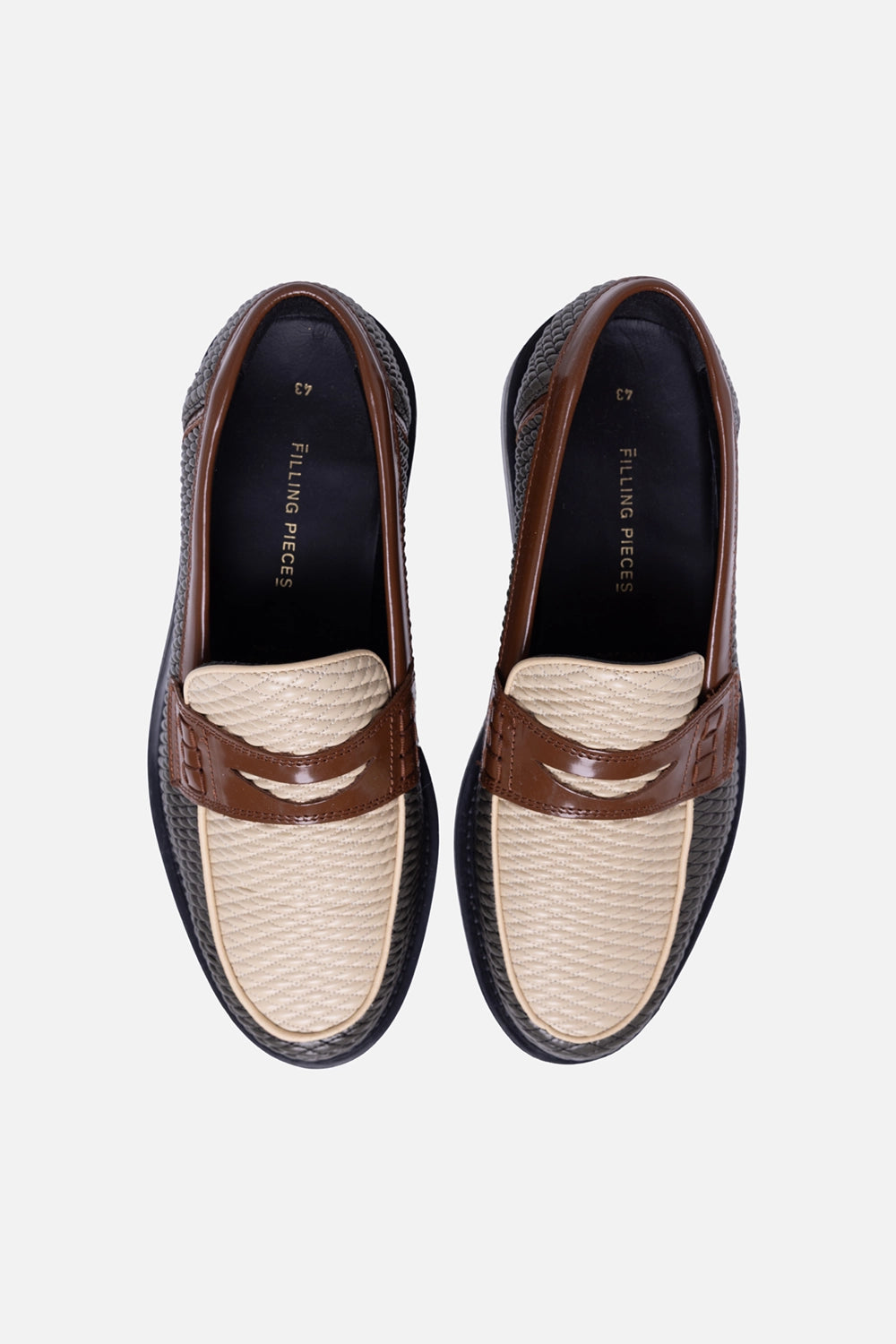
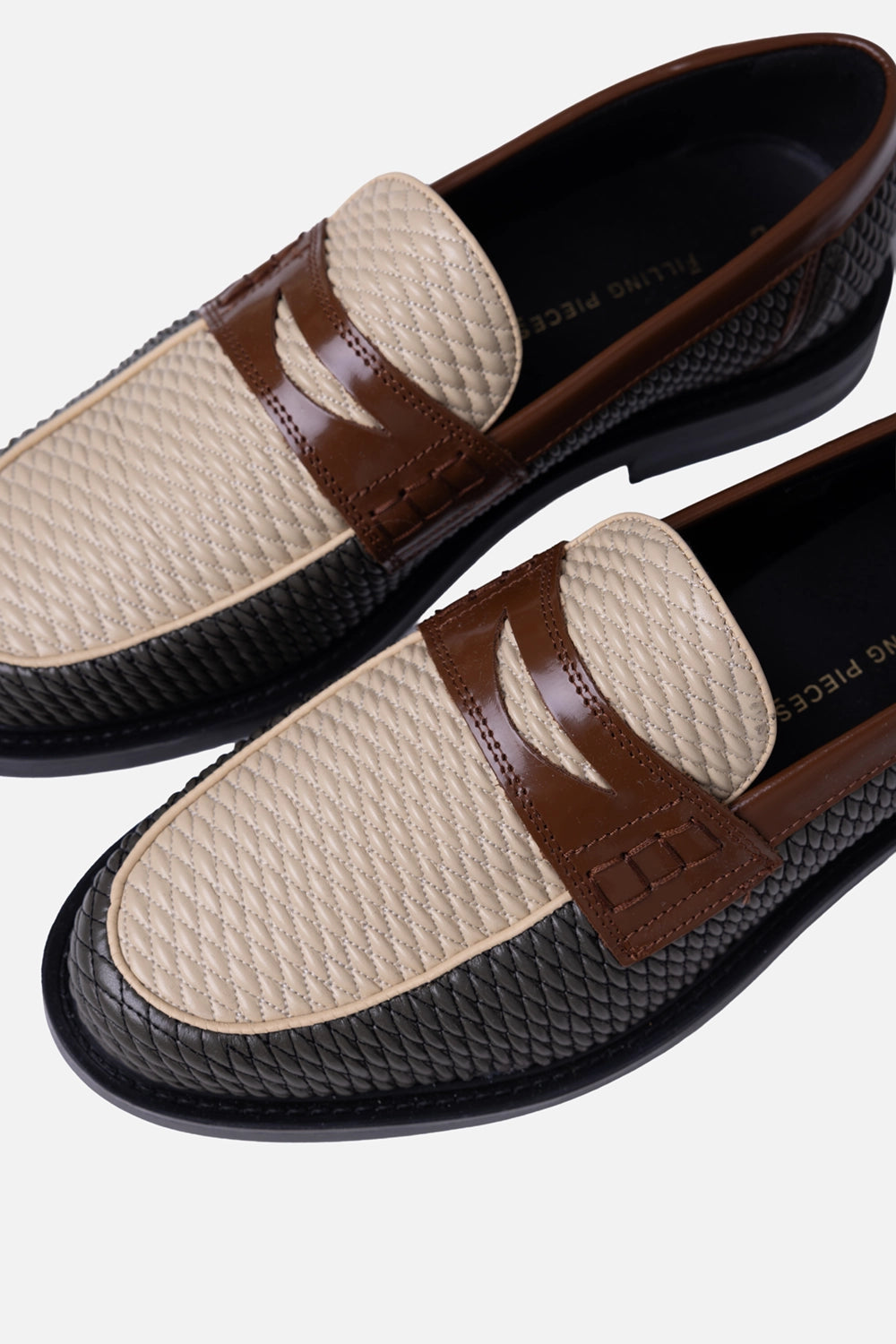
Soles are another signature, especially in Ripple variations that use the Fundament ripple outsole. It’s a detail that changes the way a clean sneaker reads from the side—suddenly more sculptural, more graphic—while still feeling versatile enough for everyday styling. In the dress-shoe lane, the Patch-Loafer line has become a recognizable chapter of its own: a classic loafer base reworked with graphic patches and textural elements that feel playful but still considered. These signatures work because they’re specific, not flashy—details you notice more over time than at first glance.
How to wear it now
For weekday city dressing, Filling Pieces sneakers slot naturally into the space between formal and casual. A clean Low Top or court-style silhouette works with straight-leg trousers and a crisp overshirt, or with a relaxed suit where the sneaker keeps everything modern. If the look leans more minimal, tonal colorways in white, black, grey, or navy keep the focus on proportion and fabric rather than contrast.
For evenings and events that still call for comfort, loafers or derbies provide a sharper line without feeling old-fashioned. Think dark polished leather with wide-leg pants, a fine-gauge knit, and a long coat—an outfit that reads intentional without looking overstyled. Boots bring a different energy: Chelsea shapes and combat-inspired silhouettes pair well with denim, heavier wool layers, or technical outerwear when the weather turns.
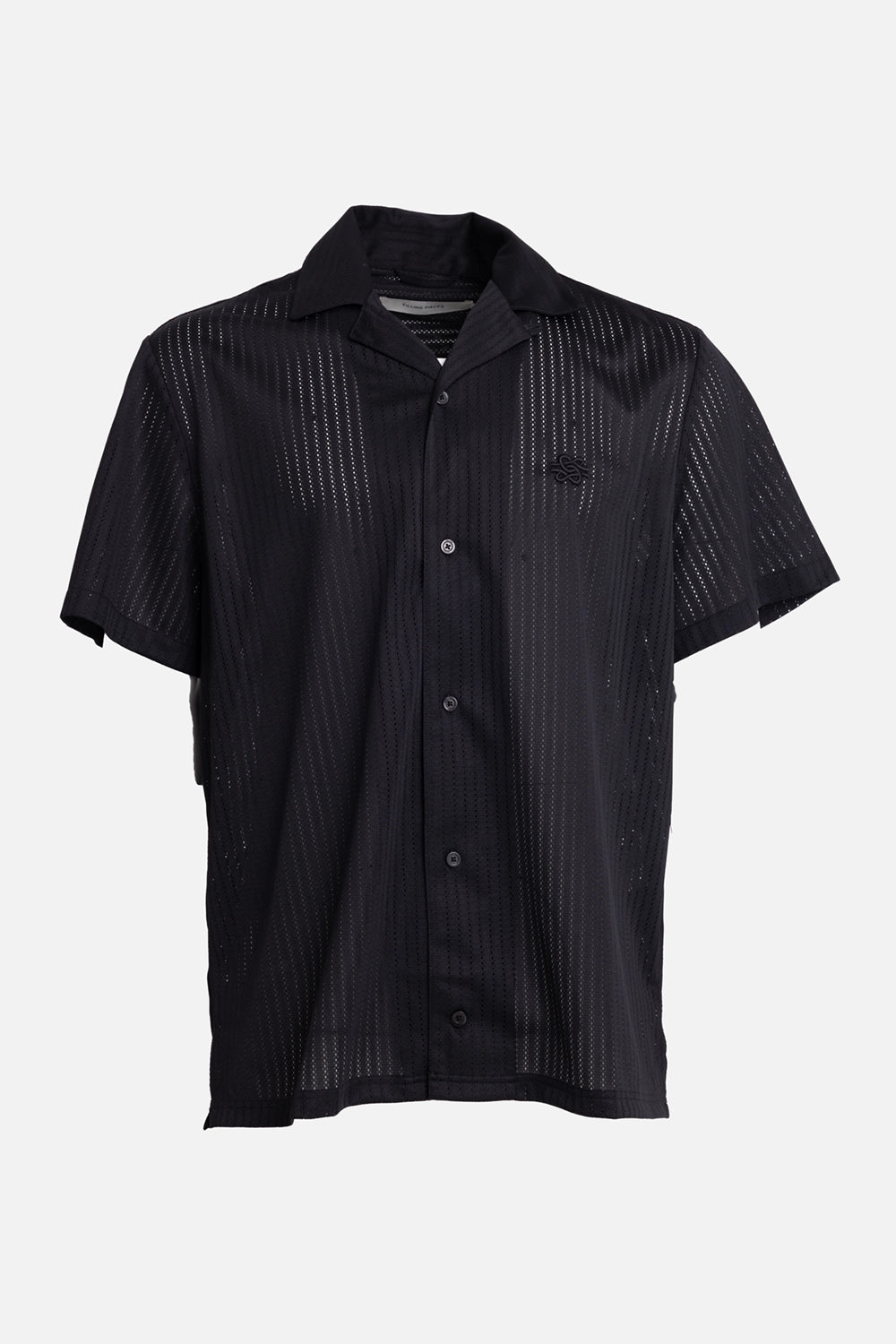
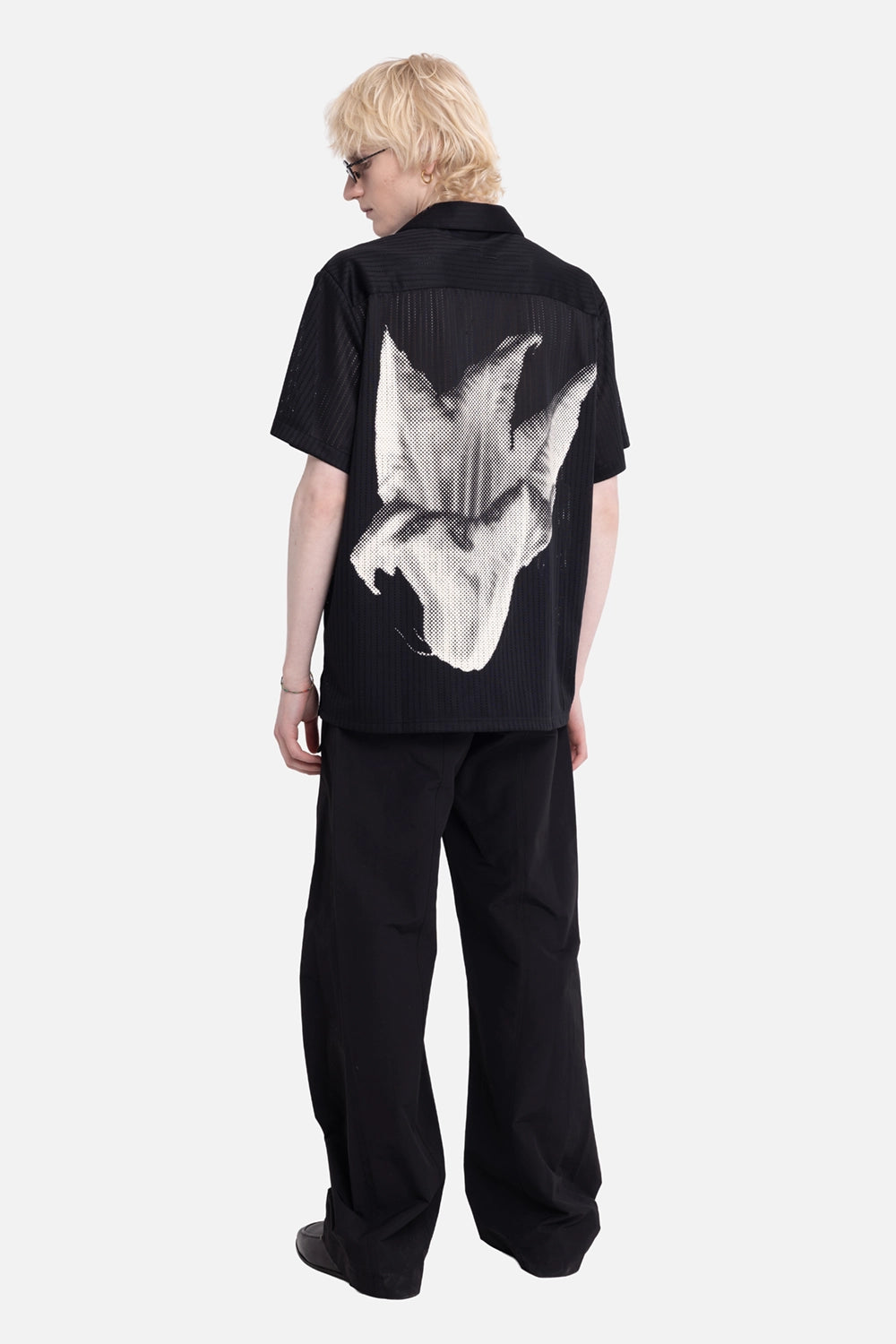
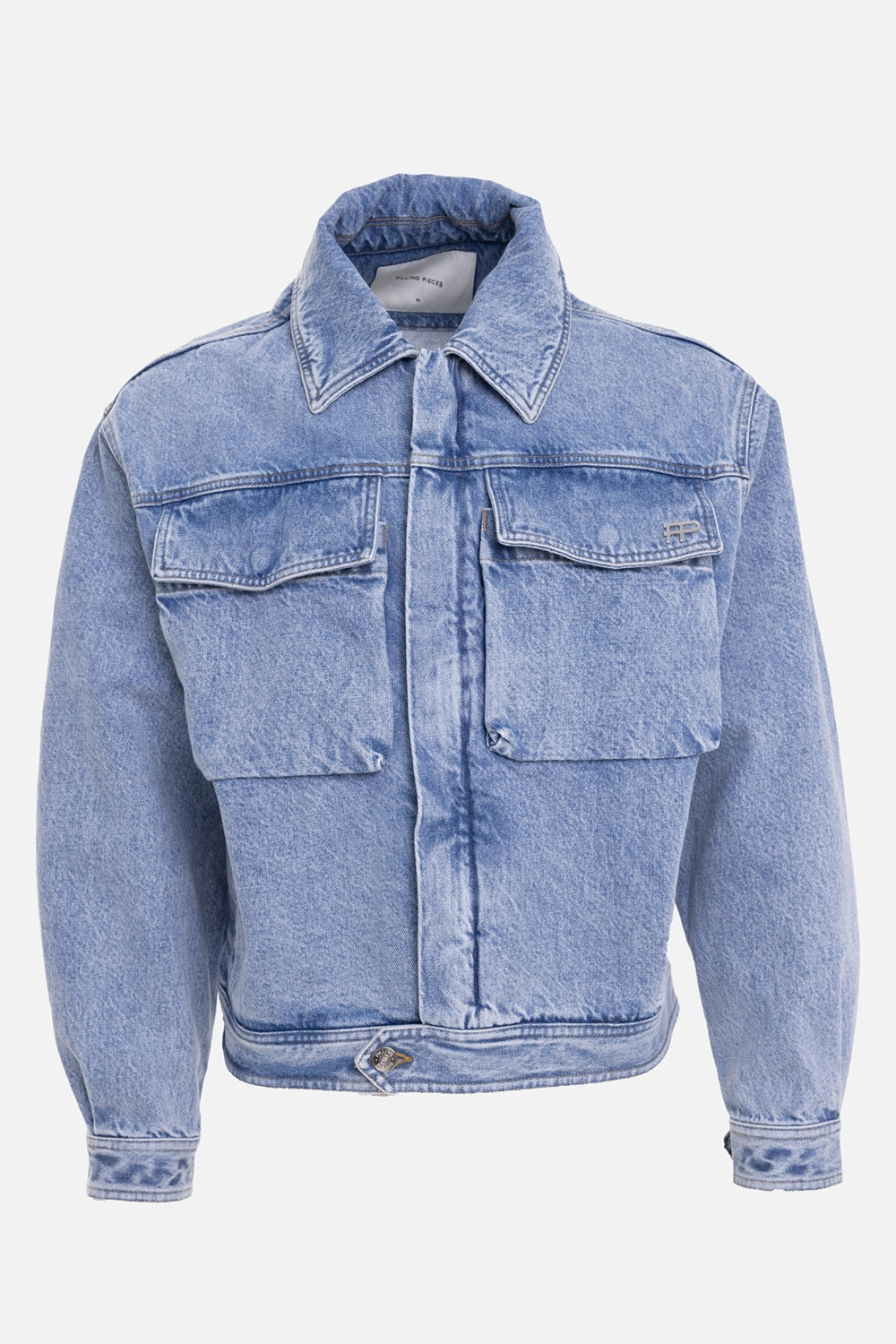
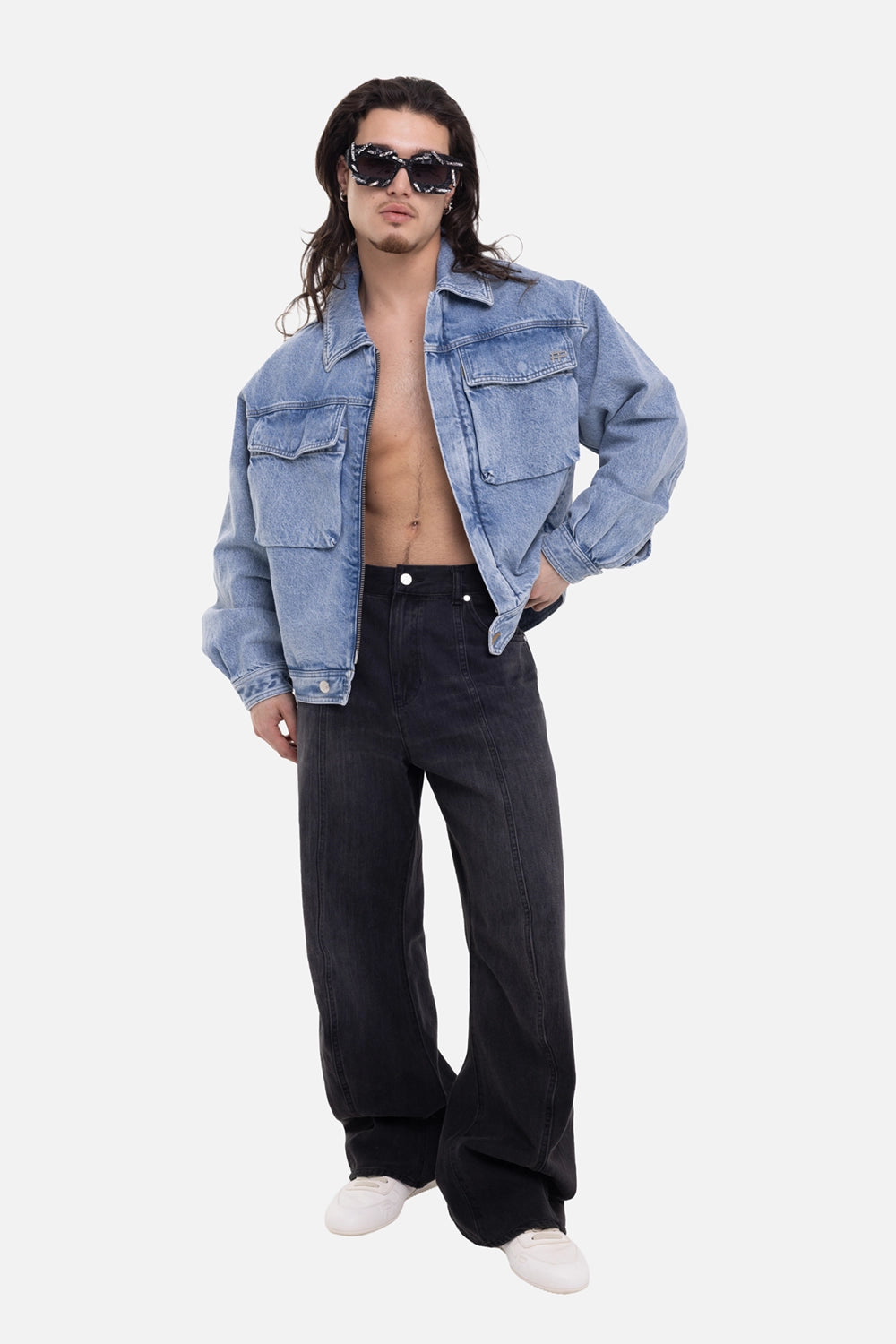
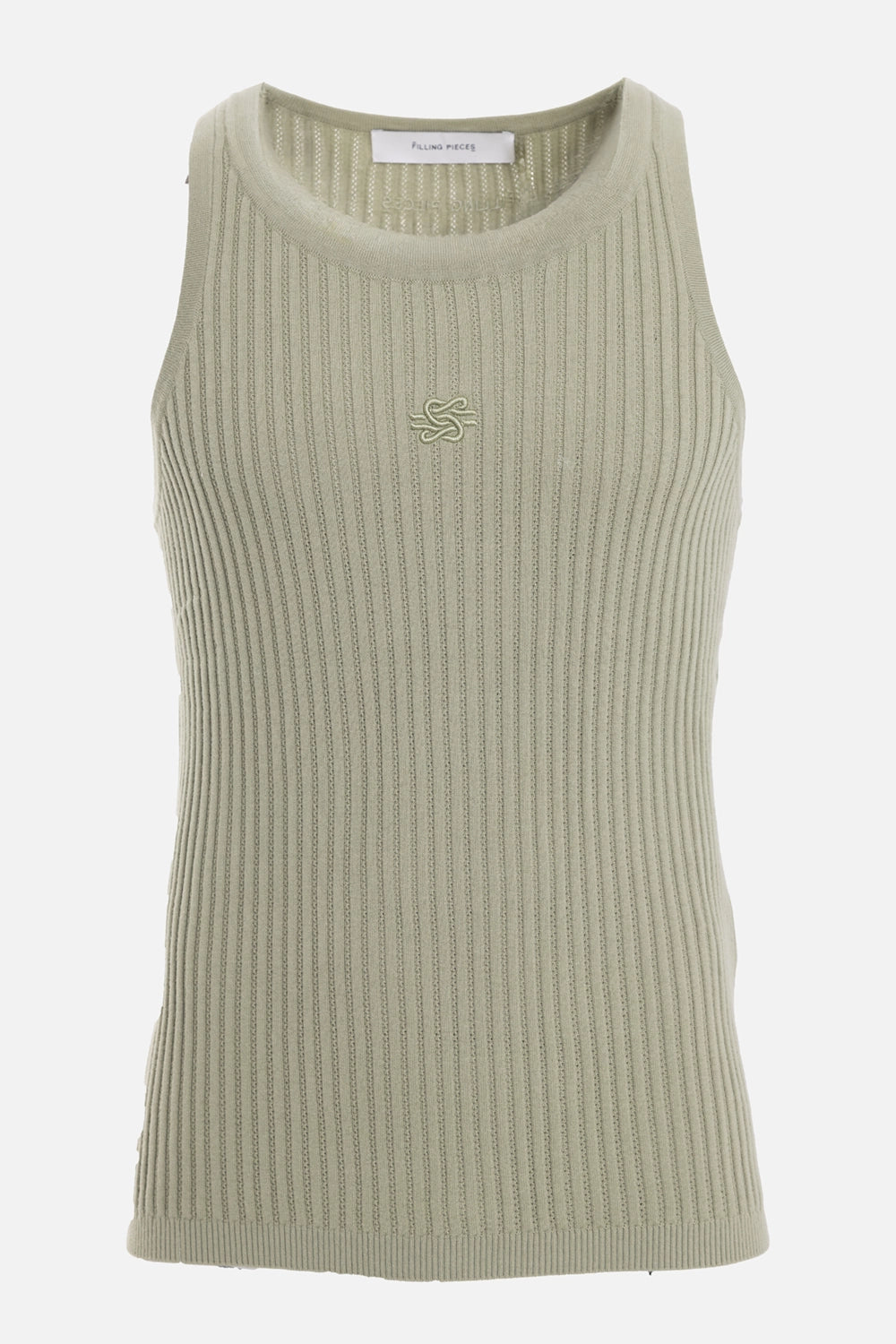
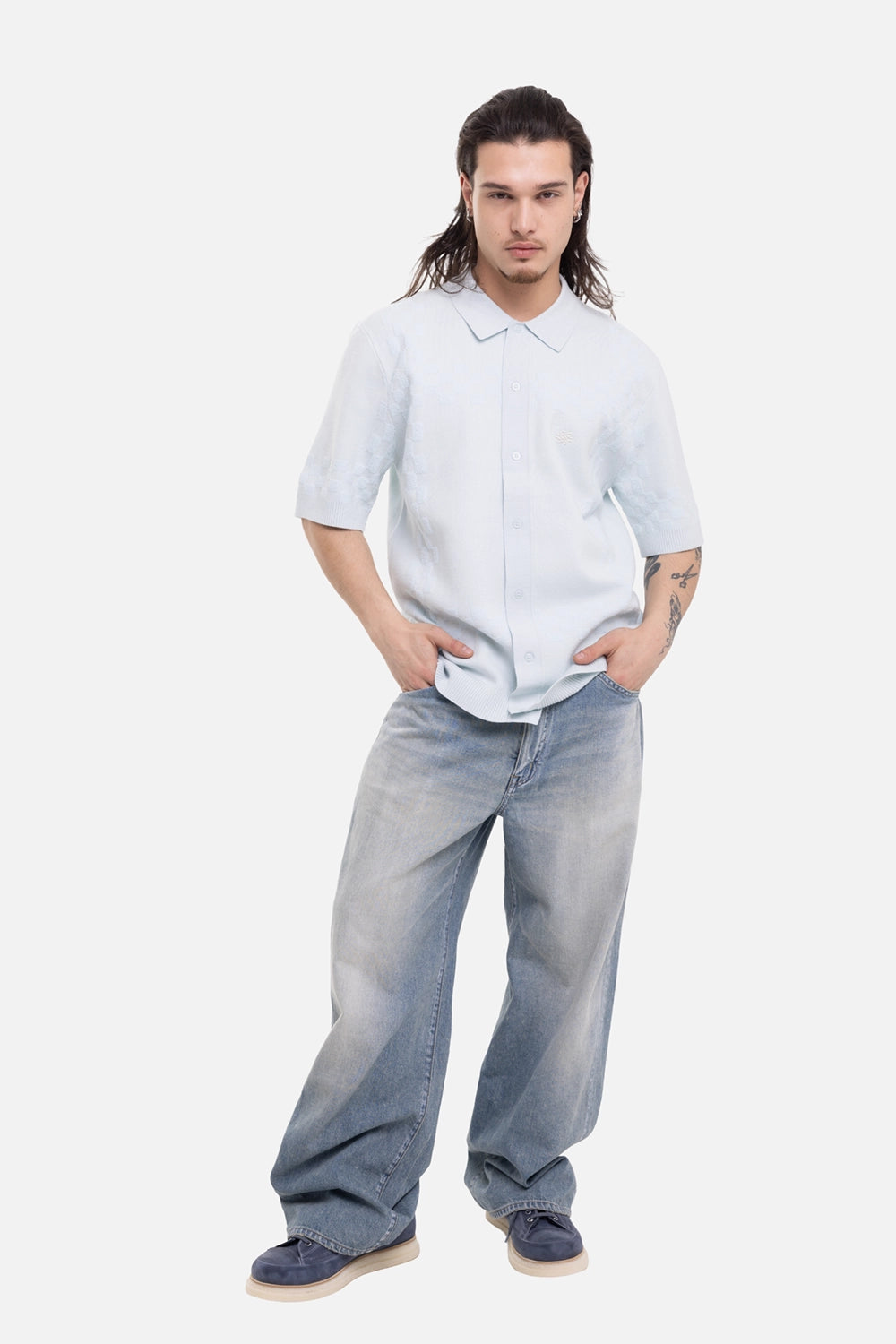
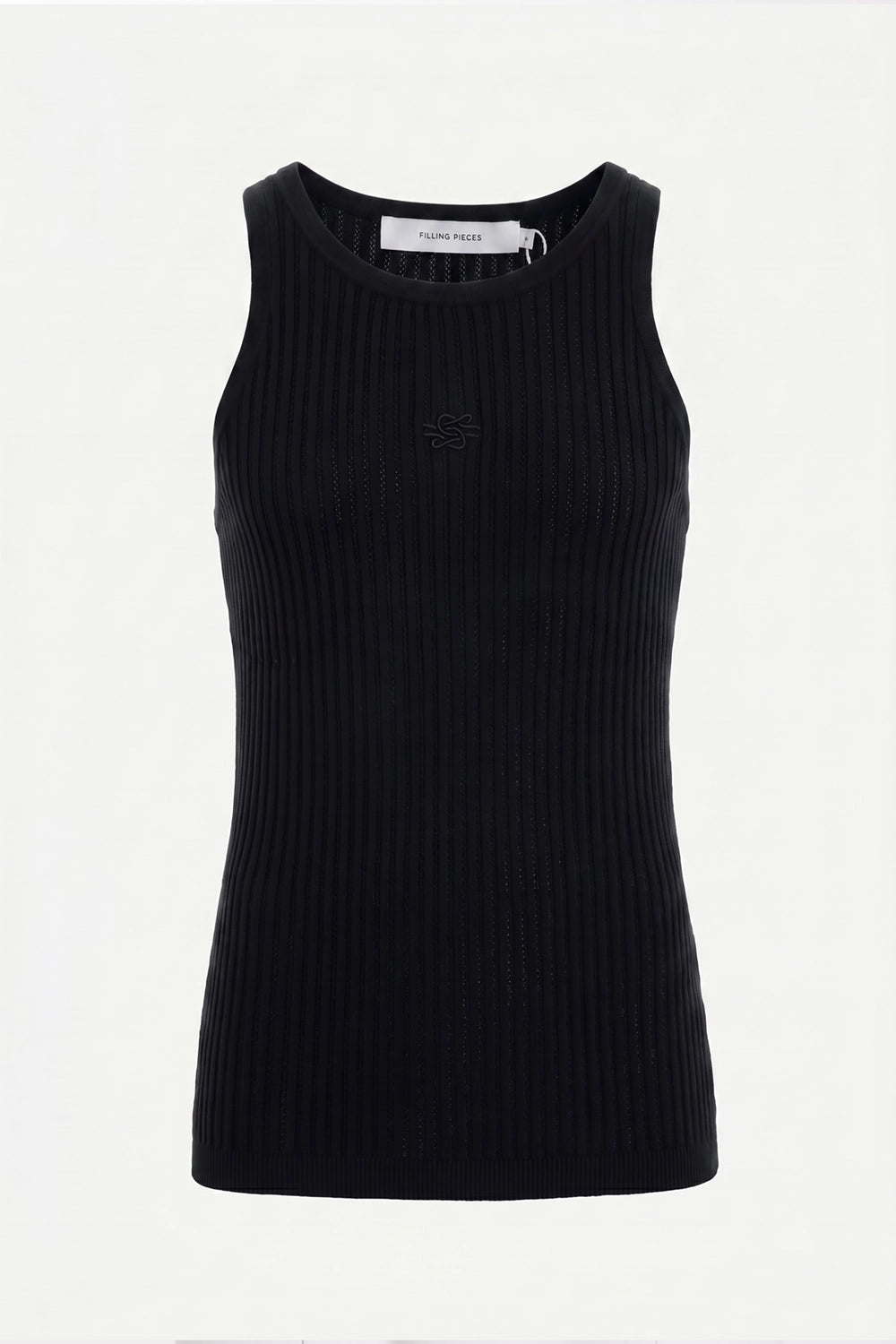
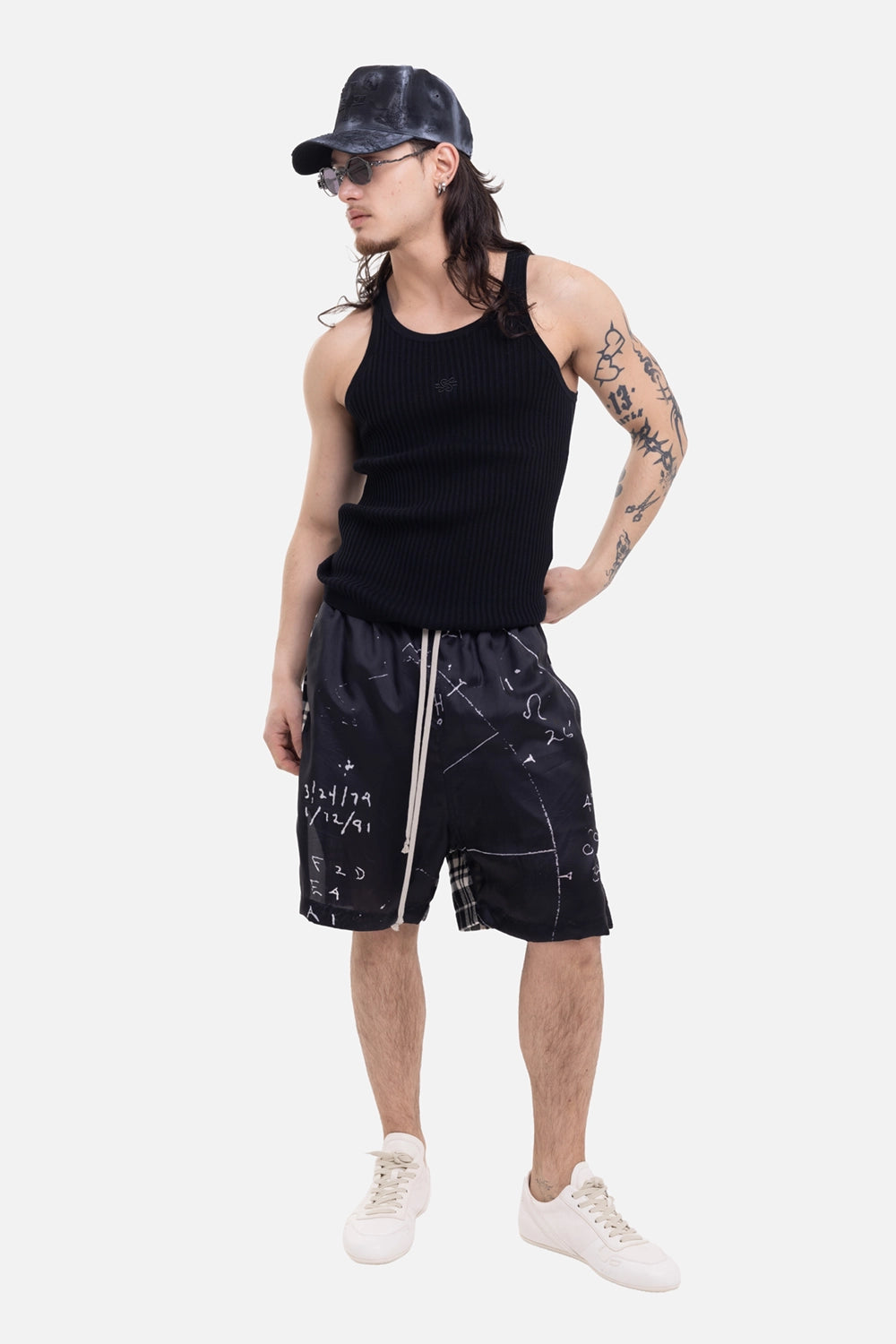
On weekends, the brand’s ready-to-wear plays the same role as the footwear—clean foundations with subtle identity. A heavyweight tee, a hoodie, or a textured knit can anchor a travel uniform, while caps and socks add small points of detail. The most convincing outfits tend to be the simplest: one strong silhouette, one strong texture, and shoes that quietly pull the look together.
Fit & sizing notes
Fit is where Filling Pieces deserves attention, because not every style wears the same. Many of the brand’s footwear styles are noted as running large, with guidance that sizing down can make sense—particularly on key sneakers like the Low Top and on certain loafers and boots. Some Low Top Ripple versions are also described as having a slightly narrower fit, which can matter if you prefer extra room through the forefoot.
In practical terms, it helps to treat model notes as part of the design rather than a footnote. If you sit between sizes, consider how you plan to wear the shoe—thin socks and a sleeker silhouette may push you one way; thicker socks or a preference for more toe room may push you another. For ready-to-wear, the brand’s guidance tends toward true sizing, sometimes with a slightly relaxed feel, which aligns with modern streetwear proportions and layering.
Care & longevity
Because Filling Pieces relies heavily on premium leathers and suedes, care is less about perfection and more about consistency. Smooth leather sneakers benefit from regular wiping and occasional conditioning, especially in light colorways where scuffs show quickly. A protective spray can help reduce staining, but the most important habit is simple: clean little and often, instead of waiting until the shoe looks tired.
Suede and nubuck ask for a gentler approach. A soft brush helps lift the nap and remove surface dust, and a dedicated suede eraser can handle minor marks without flattening the texture. For boots and loafers, pay attention to shape: using shoe trees (or stuffing gently) helps preserve the line of the upper, especially in softer leathers. Clothing follows the same “take care, wear longer” logic—wash less when possible, follow garment labels, and store knits folded to avoid stretching.
Heritage & today
Filling Pieces was founded in 2009 by Guillaume Philibert, who started the label while still studying architecture—an origin story that helps explain the brand’s lasting interest in structure, proportion, and “function with form.” From the beginning, the point wasn’t just to make another sneaker, but to create a missing middle: footwear that felt premium and design-led, without being locked into traditional luxury codes. Over time, that idea expanded into a broader fashion ecosystem, growing from one shoe into full footwear, clothing, and accessories collections.
The “Bridge the Gap” philosophy also shows up culturally, not only aesthetically. Campaigns have emphasized connection and heritage, including narratives tied to Suriname, reflecting Philibert’s family roots. Collaborations have also helped keep the brand’s vocabulary fresh—capsules and co-branded projects that make sense within the label’s Amsterdam lens, rather than feeling like add-ons.
Responsibility
Filling Pieces speaks openly about responsibility as a work in progress, and the most concrete parts of that story sit in materials and manufacturing. Footwear is made in Portugal under EU guidelines, and the brand describes long-term partnerships with a small number of factories, many of them family businesses with decades of shoemaking experience. In textiles, the label notes the use of GOTS-certified cotton for its cotton selection, reflecting a preference for certified organic fibers and monitored standards for processing and working conditions.
There are also specific packaging and sourcing claims. Shoe boxes are described as FSC labeled, clothing shipment polybags as containing recycled plastic content, and the brand states membership in the Leather Working Group, alongside a breakdown of leather sourcing through LWG-certified suppliers. On the product-development side, Filling Pieces has detailed a “6,83” program that quantifies the added cost of producing a more responsible shoe, including changes like bio-based alternatives in components, recycled cork insoles, chrome-free tanning approaches for certain leather uppers, and offsets tied to transport and factory emissions. Taken together, these initiatives show a label attempting to connect design choices to measurable outcomes—an approach that aligns with the brand’s wider preference for specifics over vague statements.


